Tree removal in Melbourne starts with three questions
Most people who call us already know which tree they want gone. What they do not know is whether they are allowed to remove it, how it can come down without wrecking the fence or the neighbour's roof, and what a fair price looks like. Tree Solutions VIC exists to answer those three questions before anyone starts a chainsaw.
We arrange tree removal across Melbourne through independent local tree contractors. A contractor comes to the property, looks at the tree and the ground around it, and gives you a written quote. If the tree may be covered by a planning overlay or a council local law, you hear about it at that visit, not after the work is done.
Why the permit question comes first in Melbourne
Victoria handles trees on private land through two separate systems. The first is the planning scheme for your council, which can place overlays over a property: a Heritage Overlay, a Vegetation Protection Overlay, a Significant Landscape Overlay, an Environmental Significance Overlay or a Bushfire Management Overlay. The second is the council's own local laws, and some Melbourne councils protect larger trees through a local law even where no overlay applies.
The result is that the same lemon-scented gum might be removable without a permit in one suburb and need one a few kilometres away. That is why our location pages name the council for each area and the controls that commonly come up there. For the detail, read do you need a permit to remove a tree in Melbourne.
Melbourne's ground changes the job
Melbourne is not one landscape. The inner north and west sit on volcanic basalt, which weathers to heavy, reactive clay. The inner east is mostly older sedimentary rock with clay soils of its own. Out towards Mooroolbark and Ferntree Gully the land rises into the foothills of the Dandenong Ranges, with steeper blocks, tall remnant eucalypts and bushfire controls in some streets. South-east, around Cranbourne and Frankston, the soil turns sandy, and on the Mornington Peninsula coastal vegetation and wind-shaped trees take over.
Each of those changes how a removal is planned:
- Clay soils move as they wet and dry, and big trees near houses are a common topic when footings or paths crack. Removing a large tree from reactive clay can change how the soil behaves, so it is worth asking about before a big tree near the house comes out.
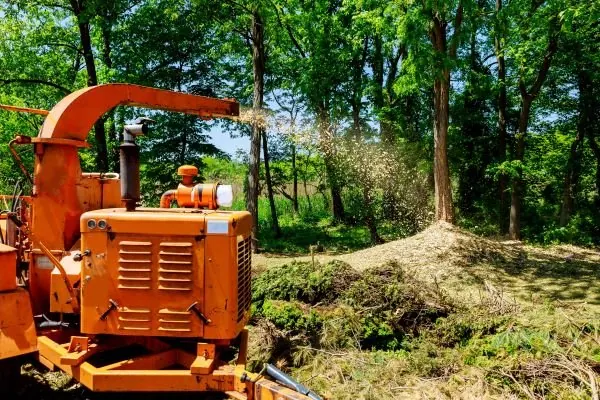
- Slopes mean wood is lowered and carried rather than dropped, and access for a chipper or stump grinder can decide the price.
- Sand lets roots run wide and shallow, which matters for stump removal and anything you plan to build.
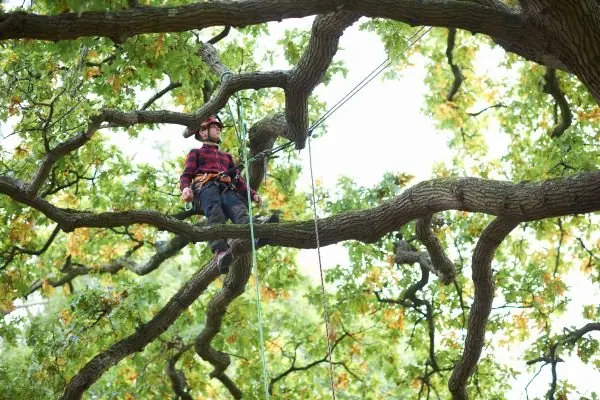
- Small inner-suburb lots with laneway access mean most trees are taken down in small, roped sections.
What we arrange
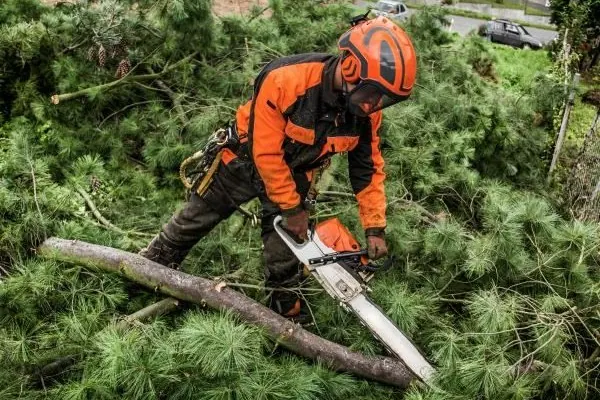
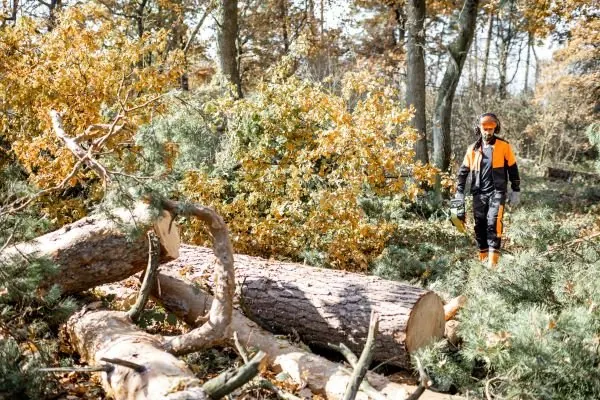
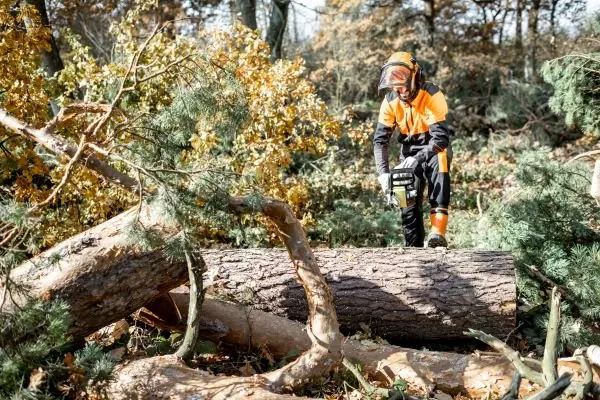
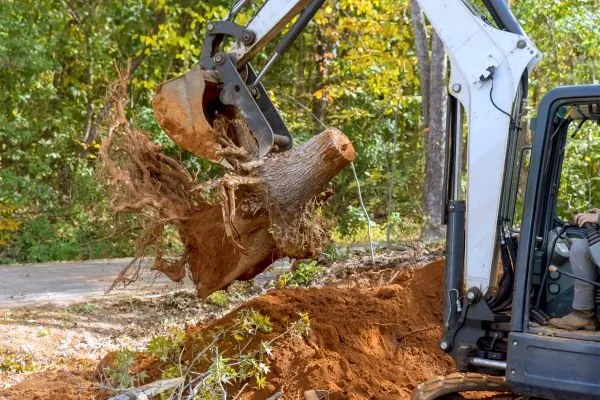
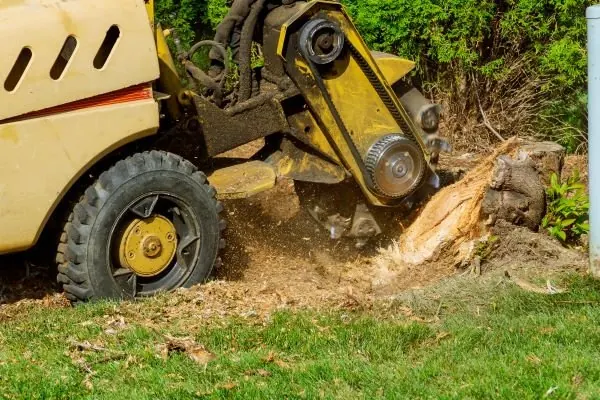
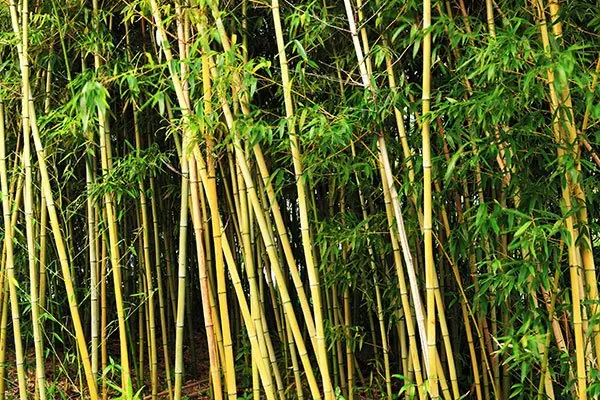
Tree removal is the bulk of the work: dead, leaning, split, storm-damaged or simply badly placed trees taken down and cleared. After the tree is down, the stump can be ground below the surface or, where a slab or pool is going in, dug out with the root plate. We also arrange palm tree removal, including the large Canary Island date palms common in older Melbourne gardens, and bamboo removal, where the real work is below ground in the rhizomes.
How it works
- Call us with your suburb, a description of the tree and a note about what is near it.
- A local contractor visits to look at the tree, the access and the controls that may apply.
- You get a written quote that names each tree, the method, the stump and the clean-up.
- Work is booked once any permit question is settled and you have accepted the price.
We ask the contractors we work with to hold the licences and insurance the job needs. Ask to see them before work starts, and do not accept a quote that will not put the details in writing. Prices sit on one page, the Melbourne tree removal cost guide, so you can compare like with like.